

Broccoli gets a pass from most vets. It’s one of the safer vegetables you can share with your dog, which is good news if yours has figured out that the kitchen floor is a valid food source during meal prep.
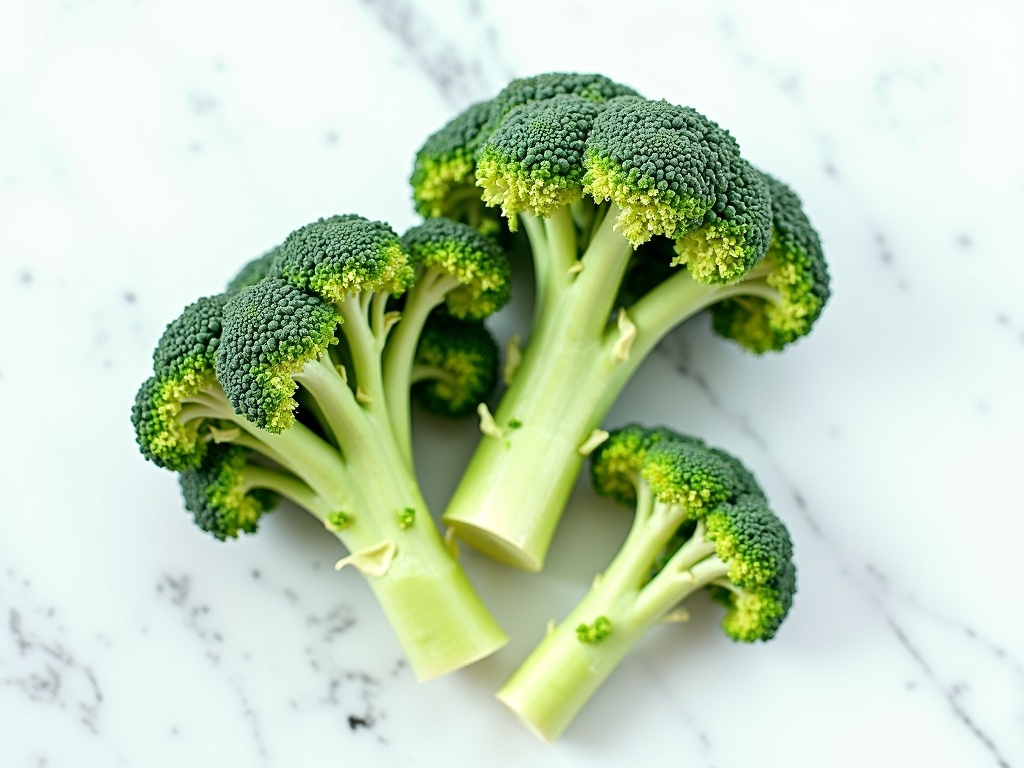
But here’s what most guides don’t tell you: not all parts of the broccoli are equal. The florets — the dark green tops — contain isothiocyanates, compounds that irritate a dog’s digestive system in larger amounts. The stalk is actually the safer part. Can dogs eat broccoli? Yes. But the florets require a bit more care than the stalk does.
Florets vs stalks: why it matters
Isothiocyanates are sulphur-containing compounds found in cruciferous vegetables — broccoli, cauliflower, Brussels sprouts, cabbage. In humans, they’re associated with cancer-protective effects. In dogs, consumed in significant amounts, they cause gastrointestinal irritation: gas, bloating, diarrhoea, and general discomfort.
The concentration is highest in the florets. The stalk has much less. So if your dog gets into a small broccoli stem, it’s a much lower-risk situation than if they eat a pile of florets.
According to the AKC, broccoli florets should make up no more than 10% of a dog’s daily food intake — and should be given in small amounts. Some vets put the threshold even lower, around 5%, particularly for smaller dogs with sensitive stomachs.
The practical upshot: a few florets as a treat is fine. Half a head of broccoli is too much.
What broccoli actually contains
Broccoli is one of the more nutrient-dense vegetables you can offer a dog. Per 100g, raw broccoli contains about 89mg of vitamin C — more than most fruits — along with 102mcg of vitamin K, 47mcg of folate, and useful amounts of potassium, chromium, and fibre. It’s low in calories at around 34kcal per 100g and has virtually no fat.
For a dog already eating complete commercial food, none of this is strictly necessary. Their diet covers the basics. But as an occasional vegetable treat, broccoli offers more nutritional substance than most snacks people give their dogs. A piece of plain broccoli beats a dog biscuit made mostly from wheat flour and flavouring.
One thing worth noting: vitamin C isn’t an essential nutrient for dogs the way it is for humans. Dogs synthesise their own. But it doesn’t hurt them either, and the other compounds — the folate, the potassium, the fibre — do add something.
Raw or cooked?
Both work, and there are real trade-offs either way.
Raw broccoli retains more vitamin C, which degrades with heat. Most dogs like the crunch. The downside is that raw florets are harder to digest, more likely to cause gas, and the fibrous texture means a fair amount passes through without much nutritional benefit.
Lightly steamed or boiled broccoli (plain, nothing added) is easier on the stomach. The softer texture is better for smaller dogs or older dogs with dental issues. It’s also easier to cut into appropriate sizes. The trade-off is that you lose some of the heat-sensitive nutrients in the process.
Either is fine. No garlic, no onion, no butter, no salt. The broccoli itself is the treat — not a vehicle for seasoning.
How much is safe for your dog
The 10% rule applies here — treats of any kind should stay under 10% of daily calorie intake. For broccoli, given the isothiocyanate content in the florets, staying at the lower end of that is sensible, especially when you’re giving it for the first time.
| Dog size | Safe amount (occasional treat) |
|---|---|
| Small (under 10kg) | 1–2 small florets or a few small pieces of stalk |
| Medium (10–25kg) | 3–4 florets or a small handful of stalk pieces |
| Large (25kg+) | Up to a small handful of florets, more stalk is fine |
Start with a small amount regardless of your dog’s size. Some dogs handle broccoli without any issues at all. Others get gassy or loose stools from a modest amount. It varies more than you’d expect. Give a little, wait 24 hours, see how they respond.
The choking risk with stalks
Broccoli stalks are the safer part nutritionally — lower isothiocyanate content — but they come with a different concern. Raw stalks in large pieces can be a choking hazard, especially for smaller dogs. A thick chunk of raw broccoli stem is hard to bite through and awkward to swallow.
Cut stalks into small pieces before giving them. For small dogs, aim for pieces no larger than a fingernail. For larger dogs, a few centimetres is fine. Steaming softens the stalk considerably and removes most of the choking risk, which is another reason lightly cooked broccoli often works better than raw for dogs under 10kg.
Can dogs eat broccoli every day?
Technically it won’t cause acute problems in small amounts. But daily feeding isn’t ideal. The isothiocyanate exposure accumulates, and consistent daily feeding increases the chance of digestive issues over time. A few times a week as part of a varied treat rotation is better than the same vegetable every single day.
Rotating with other safe vegetables — cucumber, sweet potato, or even a bit of apple — gives your dog variety and spreads the nutritional load across different sources.
One specific situation where you should check with your vet first: if your dog has a thyroid condition or is on thyroid medication. Cruciferous vegetables consumed in larger quantities can affect thyroid function. A few pieces of broccoli occasionally is unlikely to matter, but it’s worth mentioning to your vet if thyroid issues are part of the picture.
Broccoli sprouts — a different story
Broccoli sprouts are sometimes brought up in dog nutrition discussions because they contain sulforaphane at much higher concentrations than mature broccoli — up to 100 times more, according to some analyses. Sulforaphane is the compound behind most of broccoli’s anti-cancer research in humans.
The research on sulforaphane in dogs is limited, and the higher concentration also means higher isothiocyanate levels. Broccoli sprouts aren’t toxic to dogs, but they’re not something to give freely. If you’re interested in this for a specific health reason, talk to a vet — it’s not a standard treat recommendation.
Signs your dog ate too much broccoli
Gas is the first sign — often significant gas. You’ll know. After that, loose stools or diarrhoea. These usually resolve within 24 hours once the broccoli has moved through.
If your dog ate a genuinely large amount — say, they got into a whole head of raw broccoli — watch for vomiting, significant lethargy, or GI symptoms that don’t improve after 24 hours. At that point, call your vet. Severe isothiocyanate toxicity is rare but not impossible in large quantities, according to ASPCA poison control guidelines.
For comparison: the same compound is found in Brussels sprouts and cabbage. If your dog has eaten either of those without issues, broccoli in similar amounts should be fine too.
FAQs
Can dogs eat broccoli stems and stalks?
Yes, and the stalk is actually the better part to give. Fewer isothiocyanates than the florets, still nutritionally decent. Cut into small pieces — raw stalk in large chunks is a choking risk for smaller dogs. Steamed stalk is softer and easier to manage.
My dog ate a lot of broccoli. What should I watch for?
Gas and loose stools are the most common signs of too much. These usually resolve within 24 hours. If you’re seeing persistent vomiting, significant lethargy, or symptoms that don’t improve after a day, call your vet. The compound responsible — isothiocyanate — can cause more serious GI irritation in large amounts.
Is cooked broccoli better than raw for dogs?
Easier to digest, yes. Lightly steamed broccoli is gentler on the stomach and the softer texture works better for smaller or older dogs. Raw retains more vitamin C but is more likely to cause gas. Both are safe — it depends on what your dog handles better. Start with steamed if you’re unsure.
Can puppies eat broccoli?
In very small amounts, yes. Puppies have more sensitive digestive systems than adult dogs, so start with a tiny piece of lightly steamed stalk rather than raw florets. If there’s no reaction after a day, you can occasionally offer small amounts as they grow. Don’t make it a regular thing until they’re past 6 months and their digestion has settled.
By Sarah Mitchell · Reviewed by Dr. Marcus Webb, DVM
Looking for other safe vegetable options? See our guides on can dogs eat cucumbers and can dogs eat sweet potato. For a food with a more complicated safety profile, can dogs eat avocado is worth reading.