

Your dog is eyeing that banana on the counter. Good news — bananas are perfectly safe for dogs. They’ve got potassium, fibre, and most dogs absolutely love them. The one thing to watch is the sugar content. One banana has about as much sugar as a tablespoon of honey, so portion control matters.
Are bananas safe for dogs?
Bananas are safe for dogs. Unlike grapes or avocados, there’s nothing in a banana that’s toxic to them. Most vets will tell you bananas are fine as an occasional treat.
But “safe” doesn’t mean “go wild.” One medium banana has about 14 grams of sugar — that’s more than most fruits. For a 10kg dog, half a banana is already a lot of sugar in one sitting.
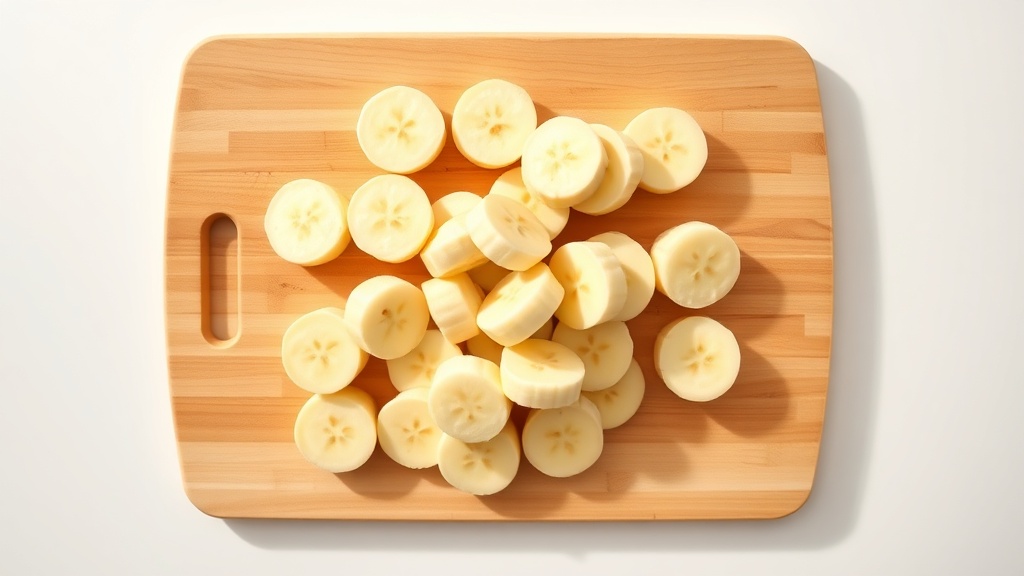
What’s actually in a banana?
Bananas do have some good stuff in them, nutritionally speaking:
- Potassium (about 422mg per banana) — good for heart and muscle function
- Vitamin B6 — helps with brain function and immune health
- Vitamin C — works as an antioxidant
- Fibre — can actually help if your dog has mild constipation
- Magnesium — supports bone health
- Biotin — good for skin and coat
That said, the serving size for dogs is small enough that the nutritional benefit is pretty modest. Think of it as a healthier treat option, not some kind of superfood.
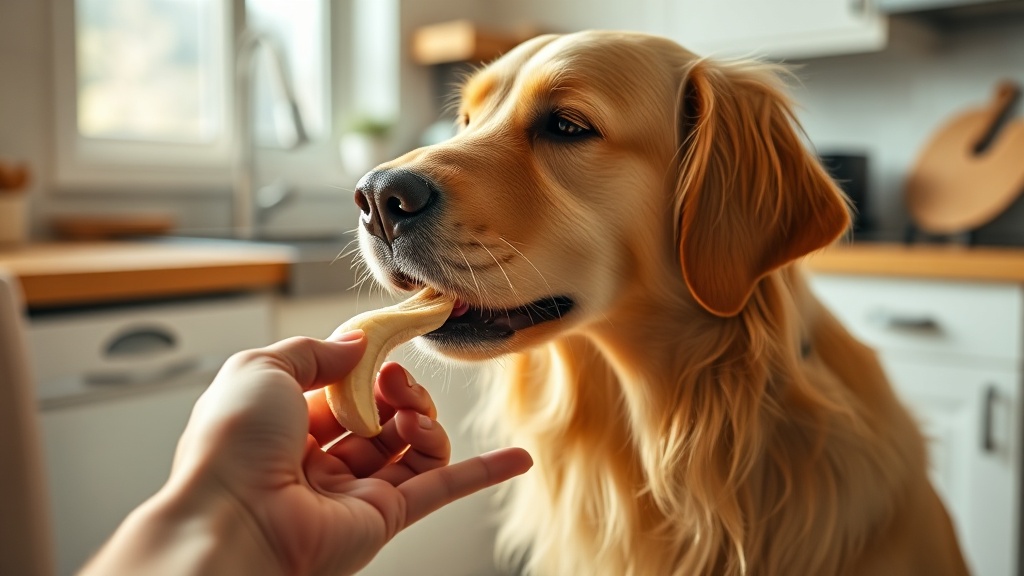
How much banana can a dog eat?
Treats should be no more than 10% of your dog’s daily calories. Here’s a rough guide for bananas specifically:
| Dog size | Weight | How much banana | How often |
|---|---|---|---|
| Small (Chihuahua, Pomeranian) | Under 10kg | 2–3 small slices | 2–3 times a week |
| Medium (Beagle, Cocker Spaniel) | 10–25kg | Half a banana | 3–4 times a week |
| Large (Labrador, Golden Retriever) | 25–40kg | Up to one banana | A few times a week |
| Extra large (Great Dane, Mastiff) | Over 40kg | One banana | A few times a week |
These are upper limits, not targets. If your dog hasn’t tried banana before, give them one small piece and wait a day to see how they react before offering more.

What about banana peels?
Don’t let your dog eat the peel. It’s not technically poisonous, but it’s really tough to digest and can cause problems — especially for smaller dogs. We’re talking potential intestinal blockage, vomiting, or choking.
Always peel the banana first. If your dog somehow got into a peel, keep an eye on them for the next 12–24 hours. If they’re vomiting repeatedly, can’t go to the toilet, or seem to be in pain, call your vet.
When bananas aren’t a good idea
Some dogs shouldn’t have bananas at all:
- Diabetic or overweight dogs — too much sugar, even natural sugar
- Dogs with kidney problems — bananas are high in potassium, which can be hard on compromised kidneys
- Dogs with food allergies — banana allergies are rare in dogs, but they happen. Look for itching, swelling, or stomach upset
- Dogs with chronic gut issues — the fibre can make things like pancreatitis worse
If you’re unsure, just ask your vet before adding anything new to your dog’s diet.
Ways to serve banana to your dog
- Fresh slices — just cut them up into bite-sized pieces. Simple.
- Frozen chunks — great in summer, and teething puppies seem to love them
- Mashed into their food — mix a small amount into their regular meal
- Stuffed in a Kong — mash it up, stuff it in, freeze it. Keeps them busy for ages.
- Mixed with plain yoghurt — the probiotics in unsweetened yoghurt are a nice bonus
What you should skip: banana bread, fried banana chips, banana pudding, or anything made for humans. The added sugar and fat aren’t good for dogs.
Fresh vs frozen: which works better?
Both are fine, but they suit different situations. Fresh banana is softer and easier on the stomach — better for dogs who are trying it for the first time or have sensitive digestion. Frozen slices hold up better as a standalone treat because they don’t turn to mush in your hands.
Nutritionally, there’s barely any difference. Freezing doesn’t destroy the potassium or fibre. What it does change is texture — frozen banana gets this almost ice-cream-like consistency that a lot of dogs seem to prefer over fresh. On a warm afternoon, a couple of frozen coins straight from the freezer will keep your dog occupied for a solid few minutes.
One thing worth knowing: frozen chunks are harder, so if your dog tends to swallow without chewing (looking at you, Labradors), cut them thin. A thick frozen disc could be a choking risk for a smaller breed.
If your dog ate too much banana
It happens. Maybe they got into your fruit bowl while you weren’t looking. Watch for:
- Diarrhoea or loose stools
- Vomiting
- Bloating or stomach discomfort
- Constipation (especially if they ate the peel)
- Being more tired than usual
Most of the time, mild symptoms sort themselves out within a day. But if your dog keeps vomiting or seems like they’re in real discomfort — especially if they ate the peel — get them to the vet.
Can puppies eat bananas?
Yes, once they’re on solid food (usually around 6–8 weeks). Start really small — one thin slice for a small breed puppy, two or three for bigger breeds. Their digestive systems are still developing, so too much fibre or sugar at once can cause stomach problems.
Frozen banana slices actually work well for teething puppies. The cold seems to help with the discomfort.
How bananas compare to other fruits
| Fruit | Safe? | Sugar per 100g | Main benefit | Watch out for |
|---|---|---|---|---|
| Banana | Yes | 12g | Potassium, fibre | Higher sugar than most fruits |
| Blueberries | Yes | 10g | Antioxidants | Choking risk for small dogs |
| Watermelon | Yes | 6g | Hydration | Remove seeds and rind |
| Strawberries | Yes | 5g | Vitamin C | Can cause issues if overfed |
| Mango | Yes | 14g | Vitamins A and C | Pit is toxic — always remove it |
Bananas have more sugar than most of these, but they’re also the best source of potassium on the list. Mixing up the fruits you give your dog is probably the smartest approach.
So, should you feed your dog bananas?
If your dog likes them, sure. They’re a better treat than most packaged dog biscuits, and a few slices a couple of times a week won’t cause any problems for a healthy dog. Just keep portions in check, skip the peel, and start small if it’s their first time trying one.
Reviewed for accuracy by our veterinary nutrition team. Last updated March 2026.
Signs your dog isn’t handling banana well
Most dogs digest banana without any drama. But every dog is different, and some stomachs just don’t agree with certain foods. After giving banana for the first time, keep an eye out over the next 12-24 hours for:
- Excessive gas or gurgling stomach — the fibre might be too much for them
- Itching around the mouth, ears, or paws — could indicate a food sensitivity
- Refusing their next meal — sometimes a sign of mild nausea
- Looser stools than normal — cut back the amount next time
None of these are emergencies on their own. Just scale back or stop the banana and things should settle within a day. If your dog breaks out in hives, has facial swelling, or vomits repeatedly, that’s a vet call — those point toward a genuine allergic reaction rather than simple intolerance.
Frequently asked questions
Can dogs eat banana every day?
Better to keep it to 2-3 times a week. Daily banana means daily sugar, and that can add up to weight gain over time — especially for smaller dogs.
Are bananas good for dogs with upset stomachs?
They can help with mild stomach issues. The fibre settles things down, and bananas are easy to digest. If your dog is still sick after a day though, it’s time for a vet visit rather than more fruit.
Can diabetic dogs eat bananas?
Probably not a great idea without checking with your vet first. Bananas have a relatively high glycaemic index, which means they can spike blood sugar.
Can dogs eat banana chips?
Store-bought banana chips are usually deep-fried and coated in sugar or honey — skip those. If you dehydrate banana slices at home with no added ingredients, they’re fine as an occasional crunchy treat. Just remember that drying concentrates the sugar, so give fewer pieces than you would fresh.
Are overripe bananas okay for dogs?
The brown spotty ones are actually easier to digest because the starches have converted to simple sugars. They’re softer too, which makes them good for older dogs with dental issues. The trade-off is slightly higher sugar content per bite, so adjust portions down a bit.
Can I mix banana with peanut butter for my dog?
A classic combo that most dogs go mad for. Mash half a banana with a spoonful of peanut butter and stuff it in a Kong — that’s a solid 20 minutes of entertainment. Just make absolutely sure the peanut butter doesn’t contain xylitol (check the ingredients label). Xylitol is extremely toxic to dogs, even in tiny amounts.
Related reading